01
Design around real components
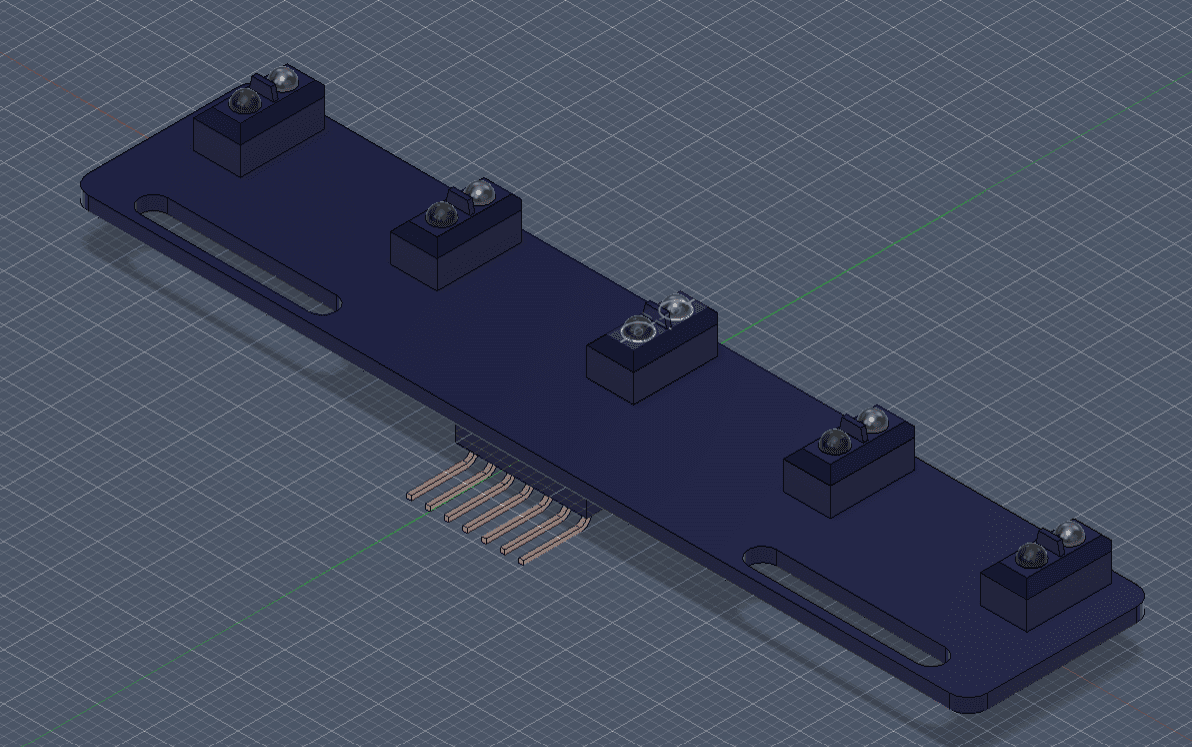
Accurate component dimensions and cable clearances should guide the enclosure geometry from the beginning.
Loading portfolio
Engineering Design Case Study
A proof-of-concept pedestrian detection system designed to improve crosswalk visibility and driver awareness.
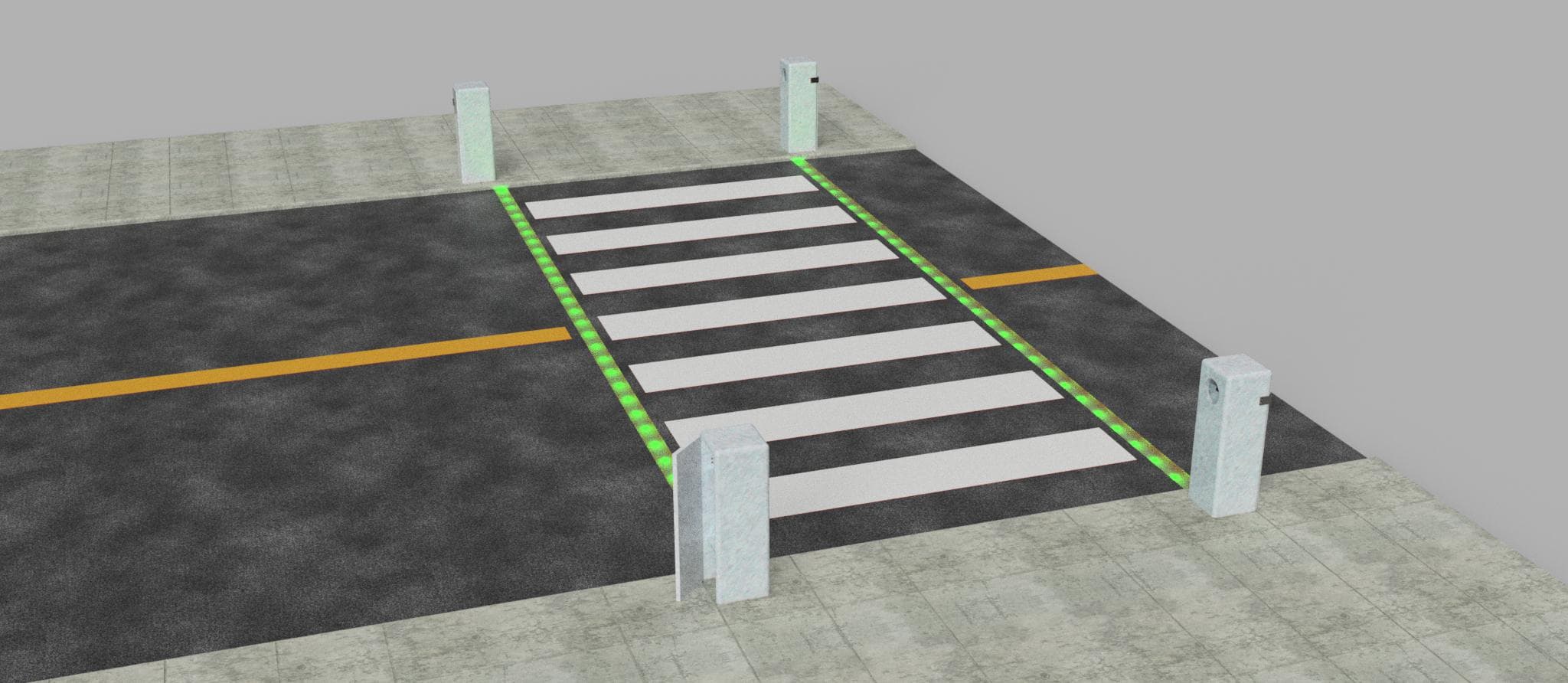
This project explored how infrared sensors could automatically detect pedestrians near a crosswalk and activate a warning system. I contributed to the mechanical design, CAD development, component layout, and physical prototype.
Project Type
Engineering Design Project
Role
Lead CAD designer
Tools
Fusion 360, Arduino, Infrared Sensors
Focus
Pedestrian Safety and Product Development
Project Overview
Traditional pedestrian warning systems often depend on a person pressing a button before entering a crosswalk. Our team explored a system that could detect pedestrian movement automatically using infrared sensors.
The concept used sensors positioned near the sidewalk to detect a pedestrian approaching the crossing. Once activated, the system would trigger a visible warning for nearby drivers.
The project was developed as a proof of concept. The goal was not to create a road-ready product, but to demonstrate the core detection logic, physical arrangement, and potential safety benefit of the system.
The Problem
Drivers may not immediately notice a pedestrian waiting near a crosswalk, especially in low-light conditions or visually busy environments. A warning system is only useful when it activates before the pedestrian enters the roadway.
Detect pedestrians approaching or entering a crosswalk
Alert drivers without requiring pedestrians to press a button
Use low-cost components suitable for a proof of concept
Create a compact housing for the electronic components
Mechanical Design
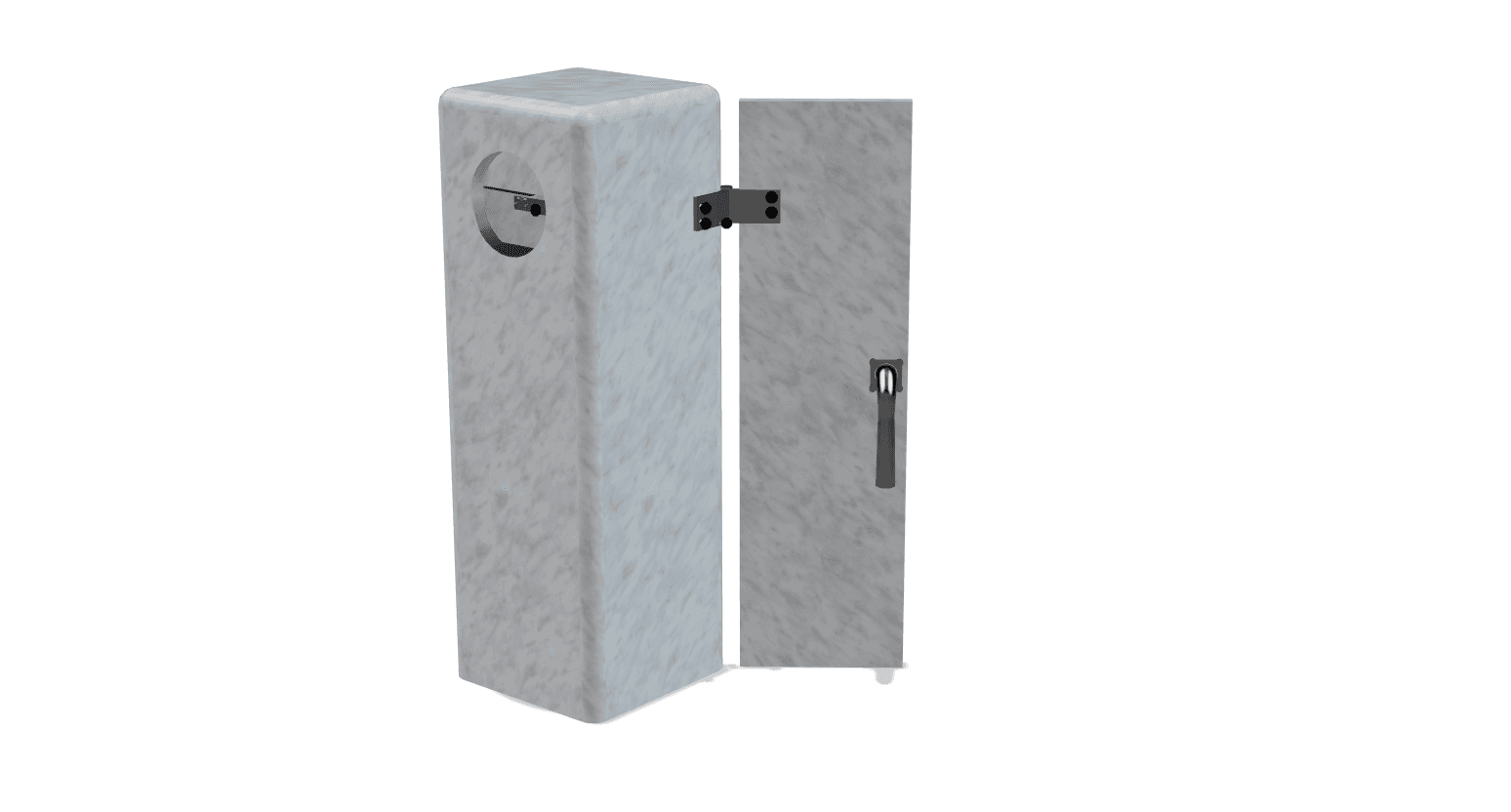
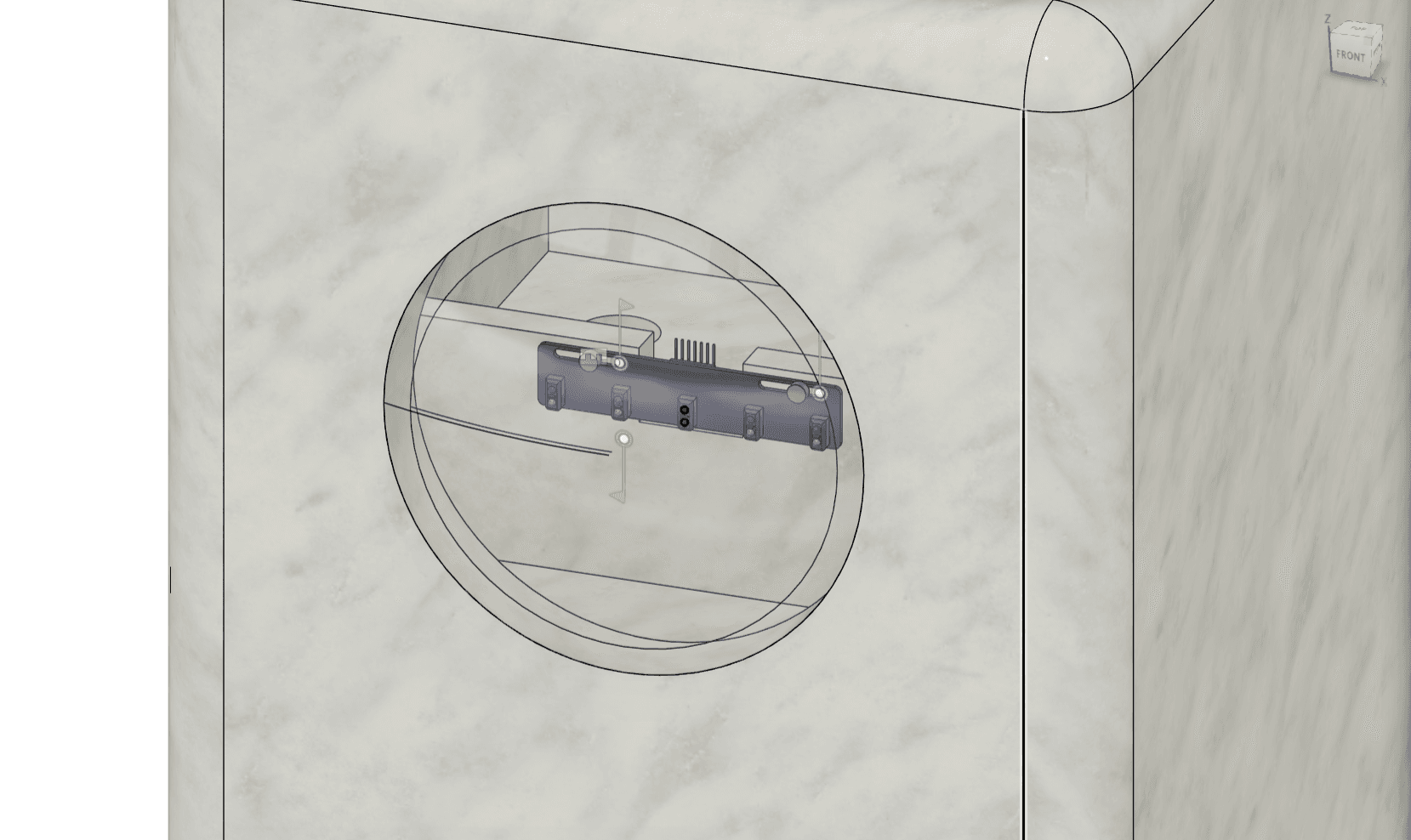
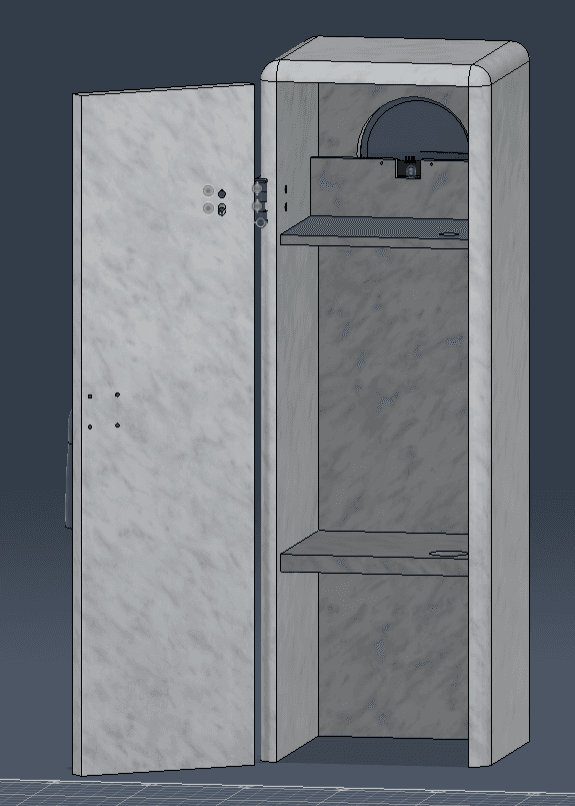
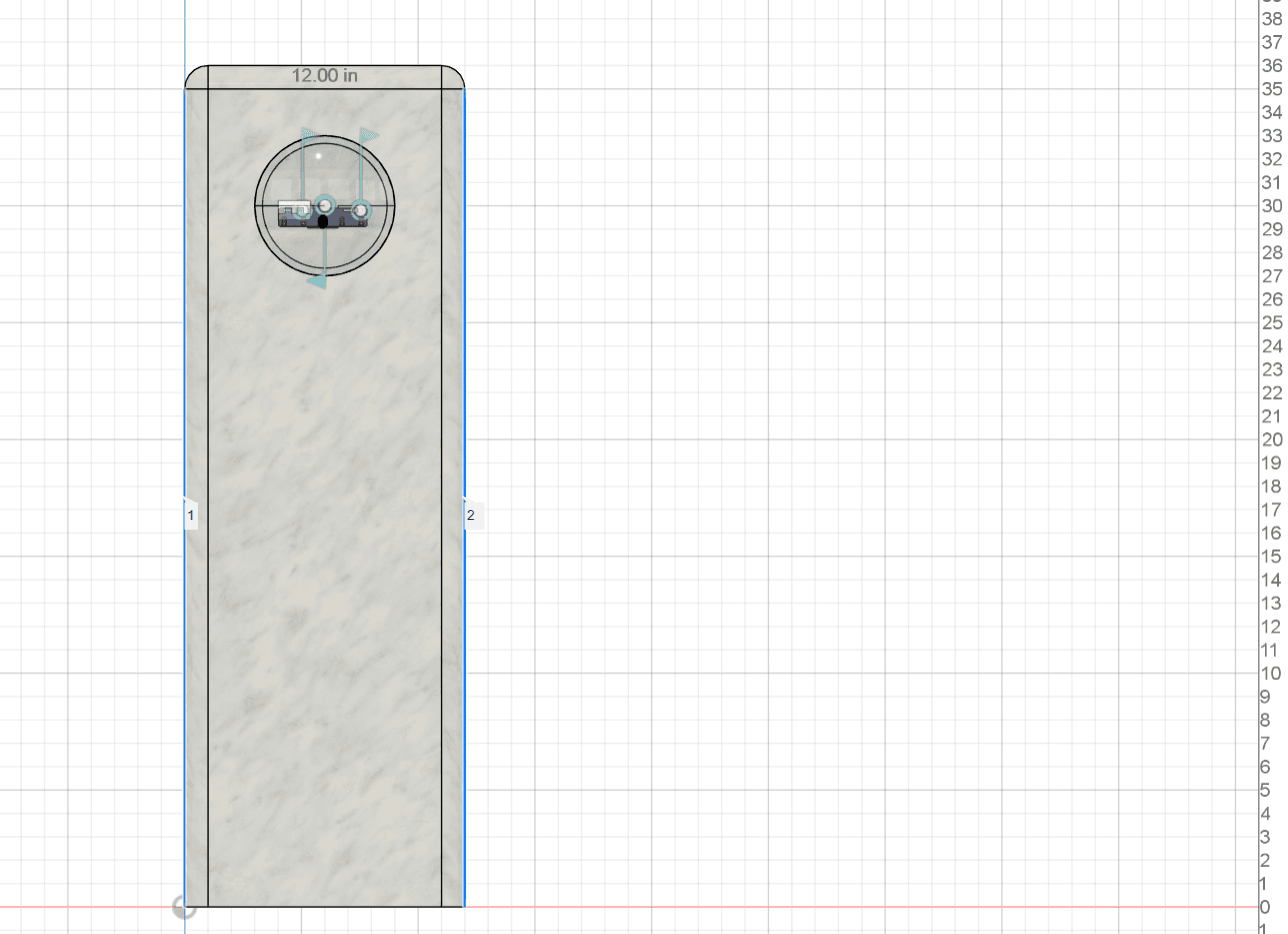
The housing had to organize the electronics, provide openings for the sensors, and remain simple enough to manufacture for the prototype. The model was refined around the dimensions of the selected components rather than designed only for appearance.
System Operation
Infrared sensors identify a pedestrian entering the detection area near the crosswalk.
The controller interprets the sensor signal and determines when the warning system should activate.
The system activates a visual warning intended to draw the attention of approaching drivers.
Prototype and Testing
The physical prototype allowed the team to test sensor placement, component organization, and system response. It also revealed the difference between a successful classroom demonstration and a system suitable for a real roadway environment.
Future development would require weather-resistant components, improved sensor reliability, stronger housings, power management, and extensive testing under different lighting and traffic conditions.
Lessons Learned
01
Accurate component dimensions and cable clearances should guide the enclosure geometry from the beginning.
02
The quality of the detection system depends heavily on sensor angle, range, and the surrounding environment.
03
A working demonstration validates the idea, but real deployment requires durability, redundancy, and environmental testing.
04
Housing geometry, wiring, sensors, and controls must be developed together rather than as separate parts of the project.
Next Project